
The Dismal Swamp Canal: America’s Oldest Working Canal
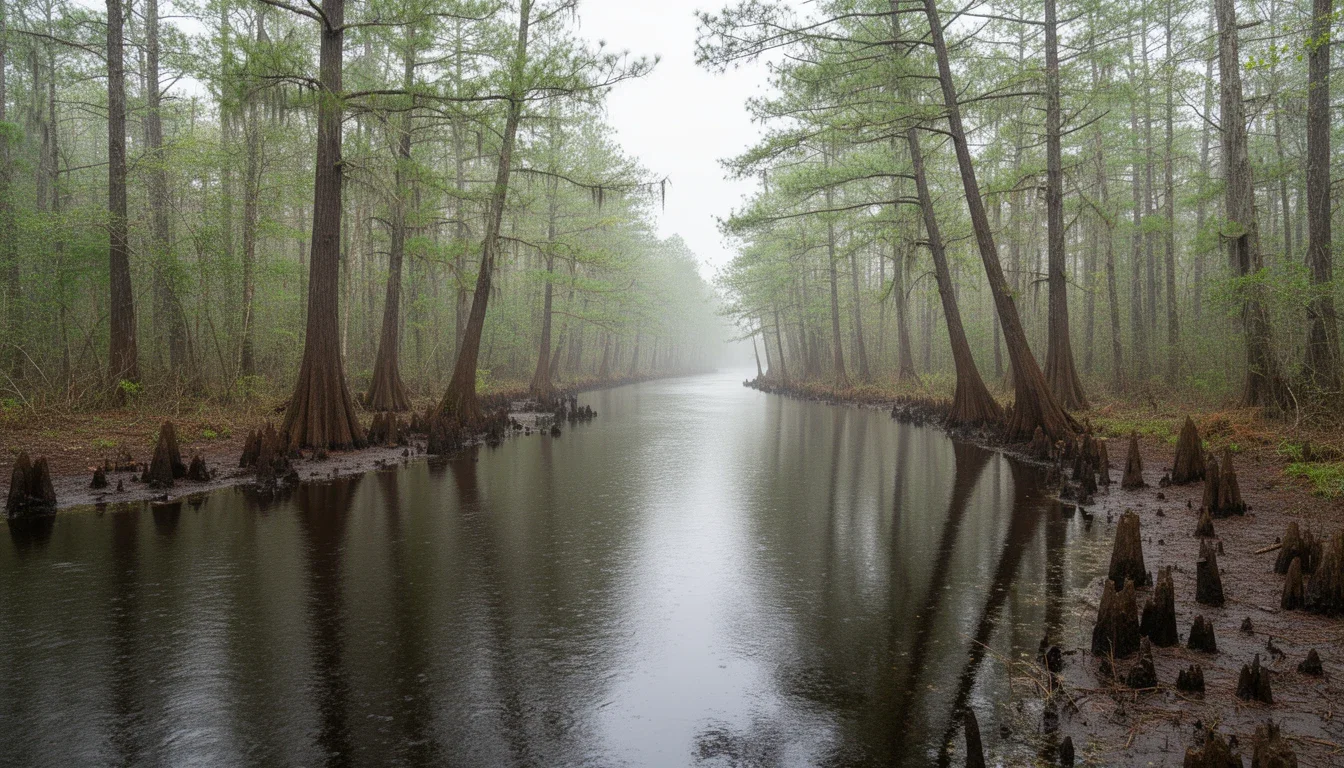
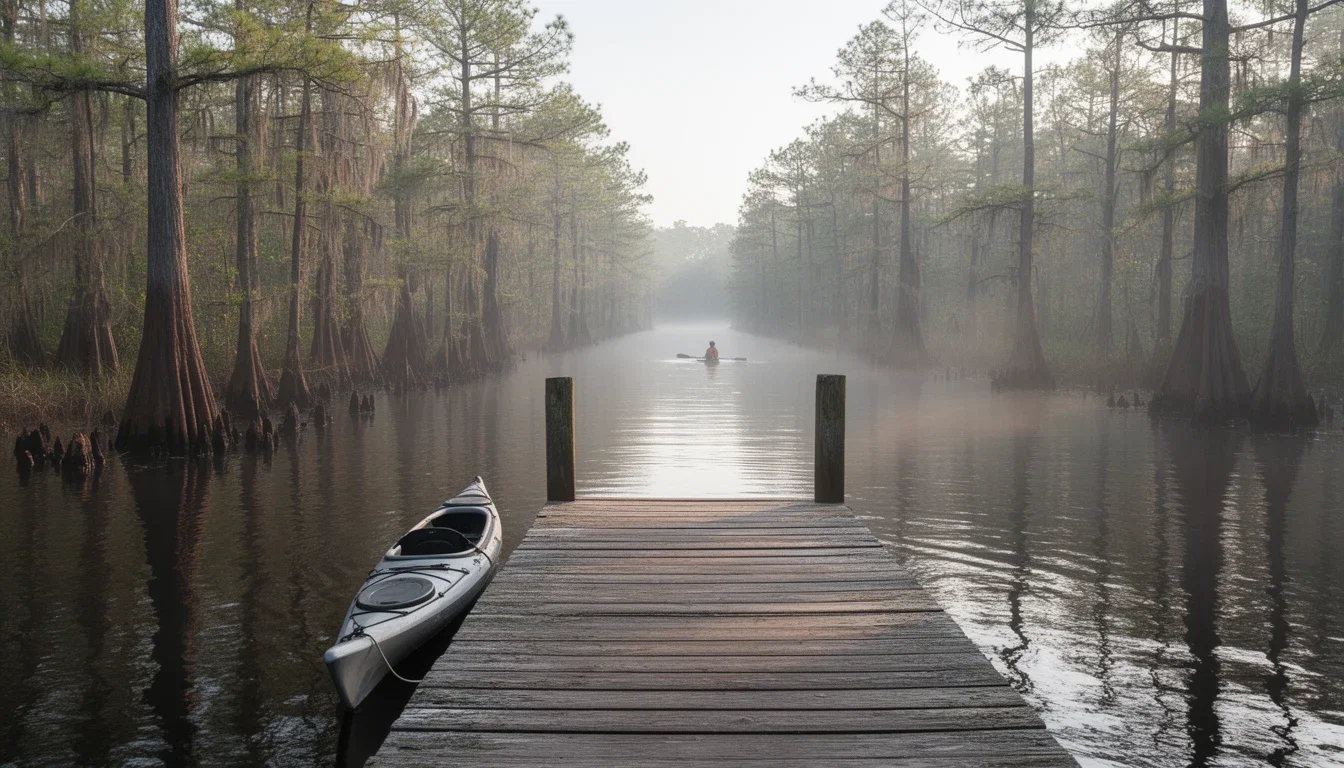
Stand on the dock at the Dismal Swamp Canal Welcome Center off Highway 17 in South Mills and the water is the color of strong tea. Bald cypress crowd both banks, knees breaking the surface, and the air smells like wet cedar and standing swamp water. A great blue heron lifts off the far bank, wings slapping, and for a minute that’s the only sound. Then a bass boat idles past, and you remember the canal is still a working waterway, not a museum.
It has been working since 1805. That makes it the oldest continually operating man-made canal in the United States, and it runs right through the region Elizabeth City buyers are shopping.
The oldest working canal in America
The Dismal Swamp Canal is 22 miles long, connecting the Elizabeth River in Virginia to the Pasquotank River at South Mills. Follow the Pasquotank south and you’re in Elizabeth City, then the Albemarle Sound. The canal is part of the Intracoastal Waterway, managed today by the U.S. Army Corps of Engineers.
The idea predates the country. Colonel William Byrd II surveyed the North Carolina-Virginia line through the swamp in 1728 and wrote the first full description of it, suggesting a north-south canal to connect the Chesapeake Bay and the Albemarle Sound. George Washington made his first visit in May 1763 and became a principal in the Dismal Swamp Company formed that year. The drainage venture failed, but Washington kept his shares.
Digging began in 1793 and took 12 years. The 22 miles were dug entirely by hand, mostly by enslaved people rented from local landowners, working in a mosquito-ridden swamp. When the canal opened in 1805, it connected two great waterways, and it’s recognized today as a National Civil Engineering Landmark and a site on the National Underground Railroad Network to Freedom.
The trade that built a river town
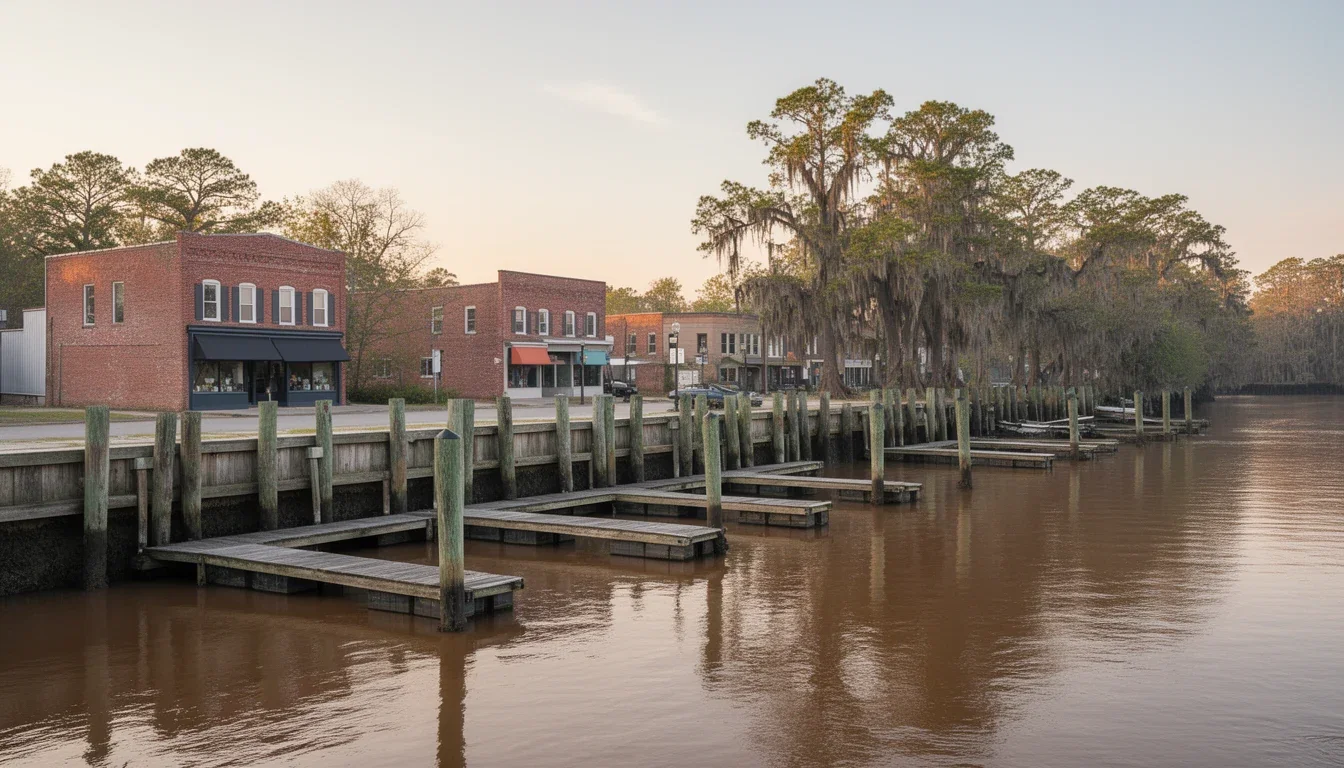
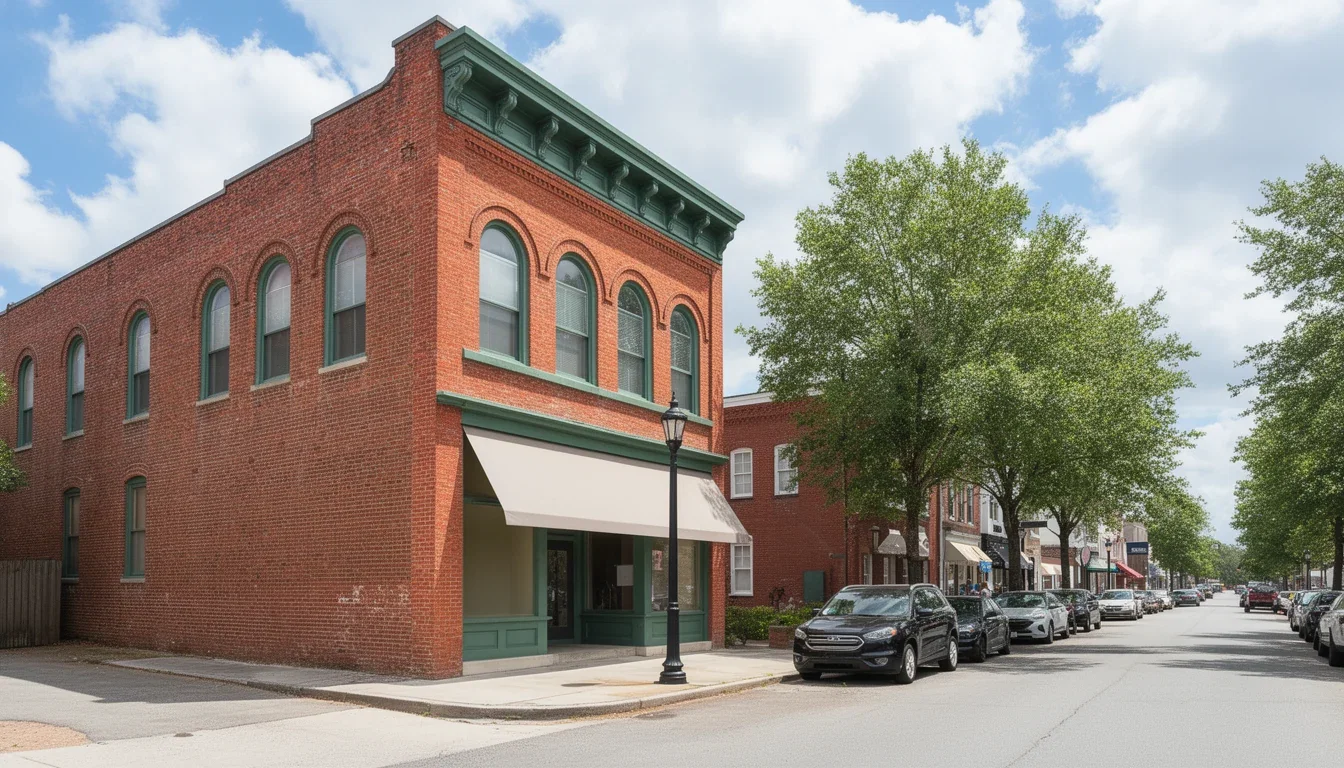
The canal is the reason Elizabeth City grew as a port. Timber, shingles, and farm goods moved north through the swamp to Norfolk and the Chesapeake; manufactured goods came back south. The traffic put Elizabeth City on the map as a stopping point, which is how the town earned its reputation for hospitality that boaters still talk about.
The Rose Buddies carry that tradition on. Since 1983, volunteers have met arriving boats at Mariners’ Wharf downtown with a rosebud, a bottle of wine, or just a direction to the grocery store. That welcome is why Elizabeth City is known as the Harbor of Hospitality, and it’s aimed at the same crowd the canal has always served: people passing through on the water.
What the canal means today
For today’s boaters, the canal is the scenic alternate route on the Intracoastal. It takes about four to five hours to transit at the 6 mph speed limit, through two locks that manage the roughly eight feet of elevation change between the Elizabeth River and the Pasquotank. The depth holds around six feet, so it’s a small-boat route.
At the Welcome Center in South Mills, Camden County keeps a 150-foot face dock that’s free to tie up to overnight, with restrooms open around the clock, a dog park, and Wi-Fi in the visitor lounge. Nearly 2,000 boaters use it a year. The adjacent Dismal Swamp State Park gives you trails, a boardwalk, and a place to launch a kayak into that tea-colored water.
The honest trade-off
The canal is not for everyone, and that’s worth saying straight. It’s shallow, it’s slow, and the locks run on a schedule. In summer the mosquitoes are relentless, and the humidity sits on you like a wet blanket. Plenty of cruisers skip it entirely and take the faster Virginia Cut instead.
What you get in exchange is the quietest stretch of the Intracoastal, water that looks like a different century, and a free place to spend the night. For a buyer, that’s a lifestyle asset, not a convenience. You’re not buying canal access for the commute; you’re buying it for the Saturdays.
The bottom line
The Dismal Swamp Canal is a 220-year-old piece of working infrastructure that still shapes the town beside it. It built Elizabeth City’s waterfront economy, it gave the town its identity, and it’s still moving boats every week. When you’re looking at property in Pasquotank or Camden County, it’s worth knowing what that water means: a free dock, a state park, and a stretch of the Intracoastal that most of the country has never heard of. That’s the kind of thing that makes this corner of North Carolina worth a closer look.