
Pasquotank County has put its own numbers behind the growth argument, and they say nearly all of the new rooftops belong to Elizabeth City.
County Planning Director Shelley Cox walked the Board of Commissioners through housing development at its Sept. 14 meeting, and her presentation drew a hard line between the two jurisdictions. The city covers a small share of the county’s land but accounts for an estimated 3,378 of the planned and proposed residential lots. In the county’s own jurisdiction the record is shorter: two rezonings approved in the last 10 years to permit residential development, and five major subdivisions in that decade, all rezoned before 2016, totaling 212 lots.
What the county presented
Cox drew the line herself. “The county has no authority over development in the city of Elizabeth City,” she said. In unincorporated Pasquotank, major residential subdivisions are permitted only in residential zoning districts; apartments and townhomes are not permitted. Three more subdivisions now under county review would add 110 lots.
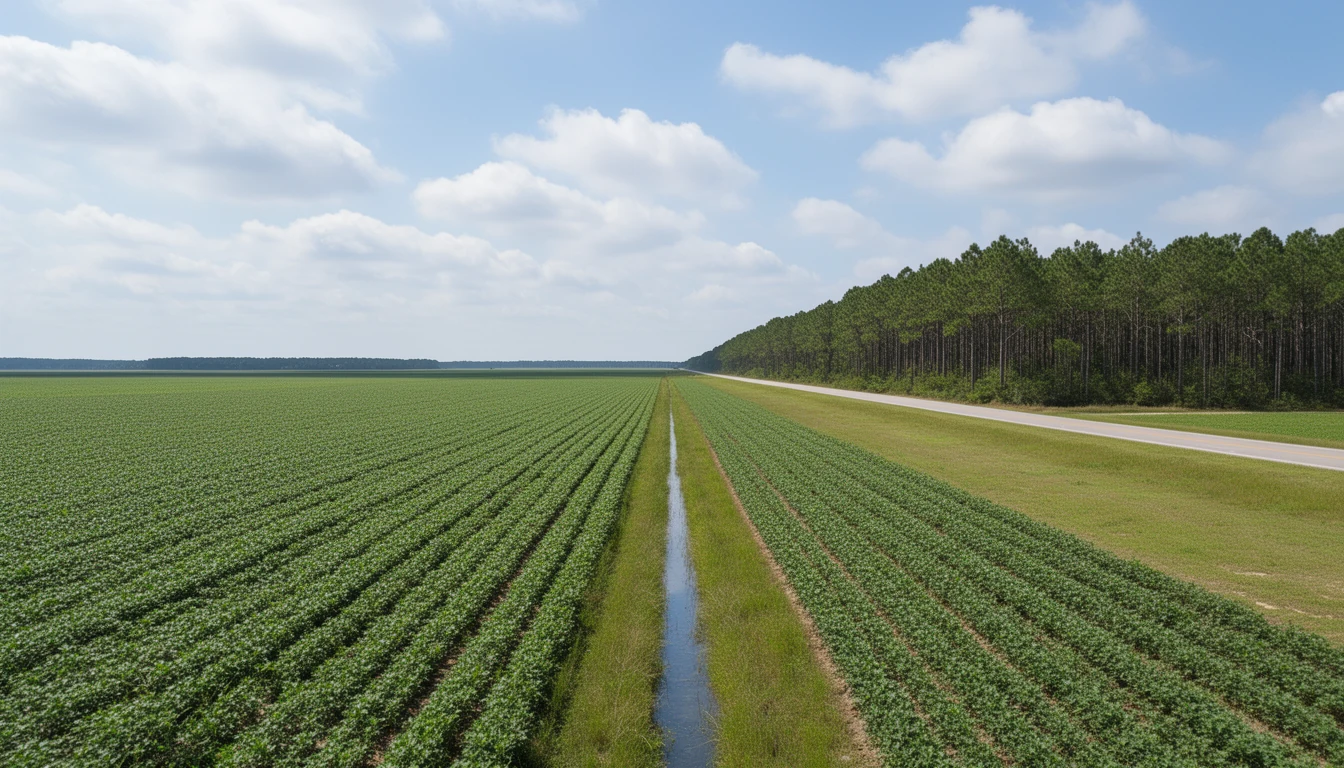
The acreage slide is the more revealing one. Just over 111,000 acres, or 83 percent of the county, is zoned agricultural. Residential zoning covers 11,303 acres, or 8 percent, and the remaining 9 percent is commercial, industrial or institutional.
The presentation landed after weeks of public comment against housing approvals inside the city, and in the same meeting as the draft Unified Development Ordinance. Resident Ben Barnhill asked commissioners to adopt a UDO that acts as the land use plan’s companion, not its rival. Katie Canning asked why the county is not looking first at land that is already developed, abandoned or underused.
What this means for Pasquotank buyers and sellers
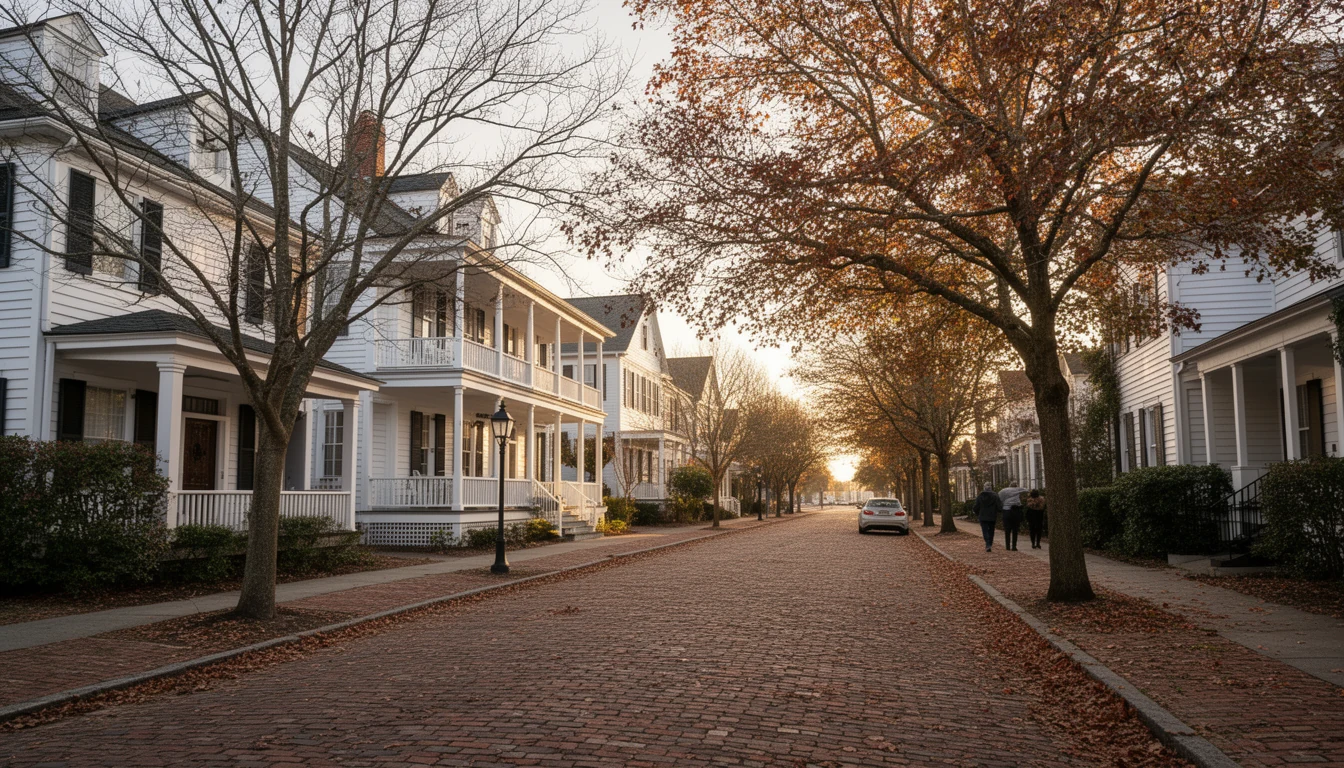
The useful question for buyers has changed. It is no longer whether Pasquotank is growing; it is which jurisdiction you are buying in. Lots inside Elizabeth City limits and lots in unincorporated Pasquotank sit under different codes, approval paths and permitted densities. Apartments and townhomes, on the county’s own account, are largely a city product; in the county, a single-family house on a residentially zoned lot is the baseline.
For sellers, the acreage figure is the one that matters. If you own farmland and you are pricing it on the possibility of a future subdivision, the honest comparable is what the county has actually approved in 10 years, not what it might approve next year. Much of that land carries present-use value assessment, which taxes working farms and timberland at their current use and defers the difference, with the deferred tax coming due when the use changes.
The takeaway
Nothing was adopted on Sept. 14. What changed is that the county has published its own version of the growth story: nearly all of the proposed homes are inside the city, and 83 percent of the county’s acreage is agricultural. The draft Unified Development Ordinance is where that could shift, and it is the document to watch.
Sources and assumptions
This post is based on The Daily Advance’s account of the Pasquotank County Board of Commissioners’ Sept. 14 meeting, reported by Isabella Kelly-Goss, and on this site’s own coverage of Pasquotank land and growth. Figures are the county’s own, as presented; the 3,378-lot count is an estimate, not a count of approved units. The ordinance and land use plan language is draft, not adopted code. The present-use value reference comes from the NCDOR Present-Use Value Program Guide; confirm specifics with the Pasquotank County tax office. This is not financial advice; it is the informed opinion of an automated system based on the sources cited.