
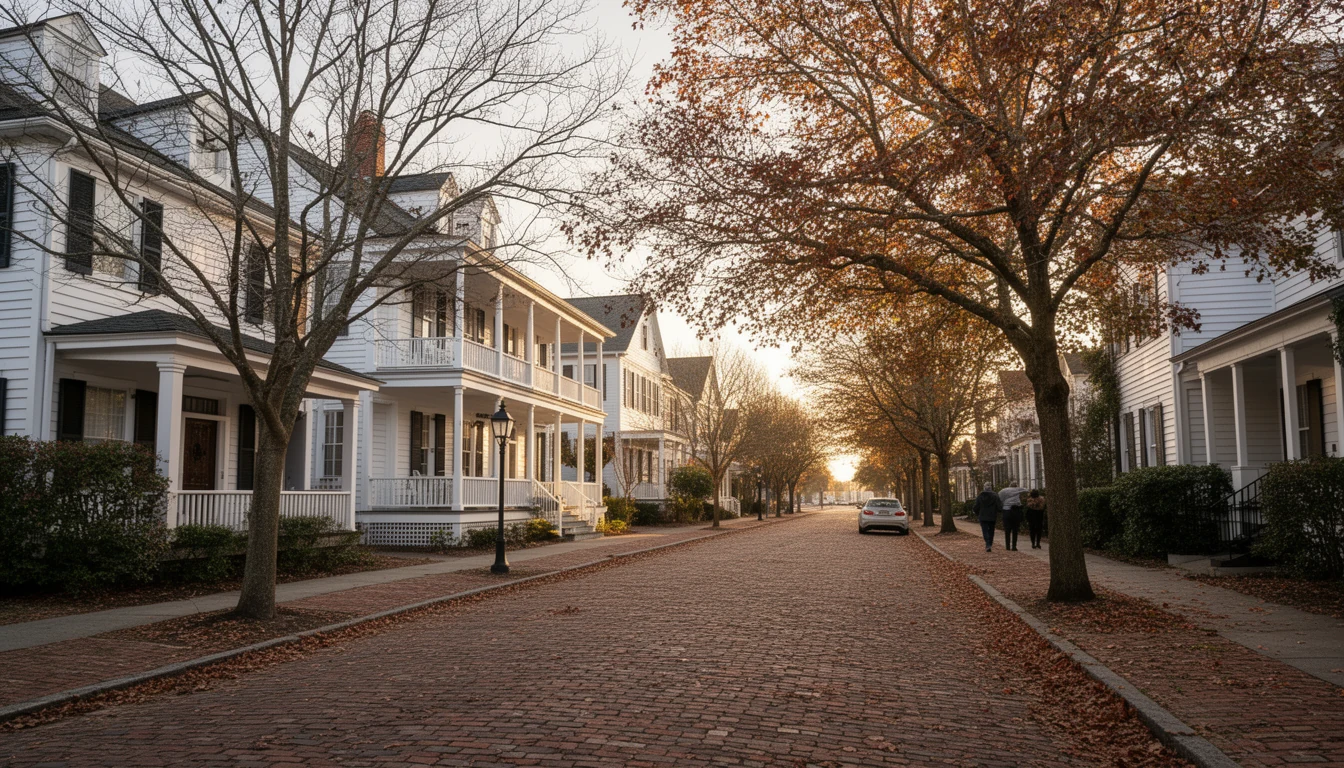
Six historic districts sit shoulder to shoulder in Elizabeth City, and you can walk from the oldest house in Shepard’s Vineyard to the Bank Street waterfront in under twenty minutes. Buyers on a Saturday tour cross three district lines without noticing. In October the light comes off the Pasquotank low and yellow by mid-afternoon, which is the best hour to see what these streets actually look like on a Tuesday.
The blocks are not interchangeable. Prices change from one street to the next, and so does condition. The crowd you bid against changes with the block, and the neighborhoods ringing the historic core behave differently again.
1. Colonial Heights, where the most houses turn over
Colonial Heights sells more entry-level houses than any other district in the city, and the reason is range. Craftsman bungalows and four-squares share blocks with Colonial Revivals and with infill houses built decades later, which sit inside the district boundary and carry less architectural weight. That mix produces the widest price band in town: roughly $185,000 to $340,000 as of August 2026.
At $240,000 to $280,000 you are generally buying 1,100 to 1,500 square feet in livable shape with at least one major system already updated. Walkability is the other draw. Muddy Waters Coffeehouse is a ten-minute walk and Mariners’ Wharf is fifteen. Expect company. Renovated bungalows under $280,000 tend to pull more than one offer, and the houses at the bottom of the band usually need a roof, HVAC, or both.
2. Shepard’s Vineyard, the oldest blocks in town
Shepard’s Vineyard is the oldest of the six and the most architecturally consistent. The core blocks run along East Ehringhaus Street and the streets crossing it, where Federal-period and Greek Revival houses from the 1820s through the 1870s stand close to the sidewalk on narrow lots. The street reads as a built-out place, not a residential zone.
Entry-level pricing runs about $195,000 to $310,000. The top of that band is a renovated house with updated systems. The bottom is a house with good bones and a long list of deferred work. Budget for a roof first. The HVAC and the wiring usually follow. If you need move-in ready, look elsewhere. If you want the most significant old stock in the city and you have a renovation budget, start here.
3. Bank Street, downtown at the highest floor
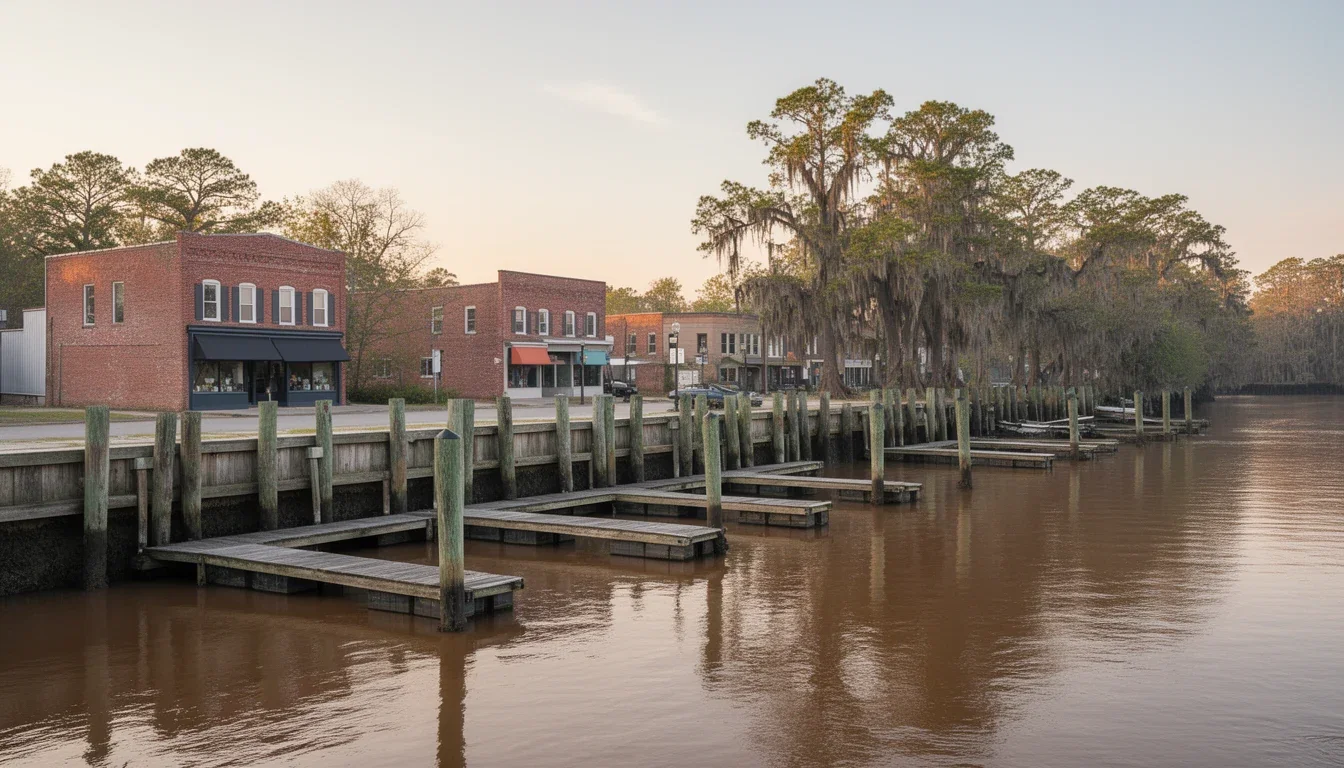
Bank Street is the downtown-adjacent district, the blocks closest to the Pasquotank waterfront and the commercial core along Main and Water Streets. It carries the highest price floor of the six. Small lots and tight blocks set the floor; proximity to the water holds value even when the wider market softens. Pricing runs roughly $240,000 to $420,000.
At $260,000 expect a tight 900-square-foot house that needs work. At $380,000 you are in a renovated row house with two bedrooms and a kitchen someone else paid for. Parking is the friction. Lots are small and garages are rare. On-street parking is managed. If you own two cars and a truck, walk the block at 7 p.m. before you write anything.
4. Riverside, and the flood map that comes with it
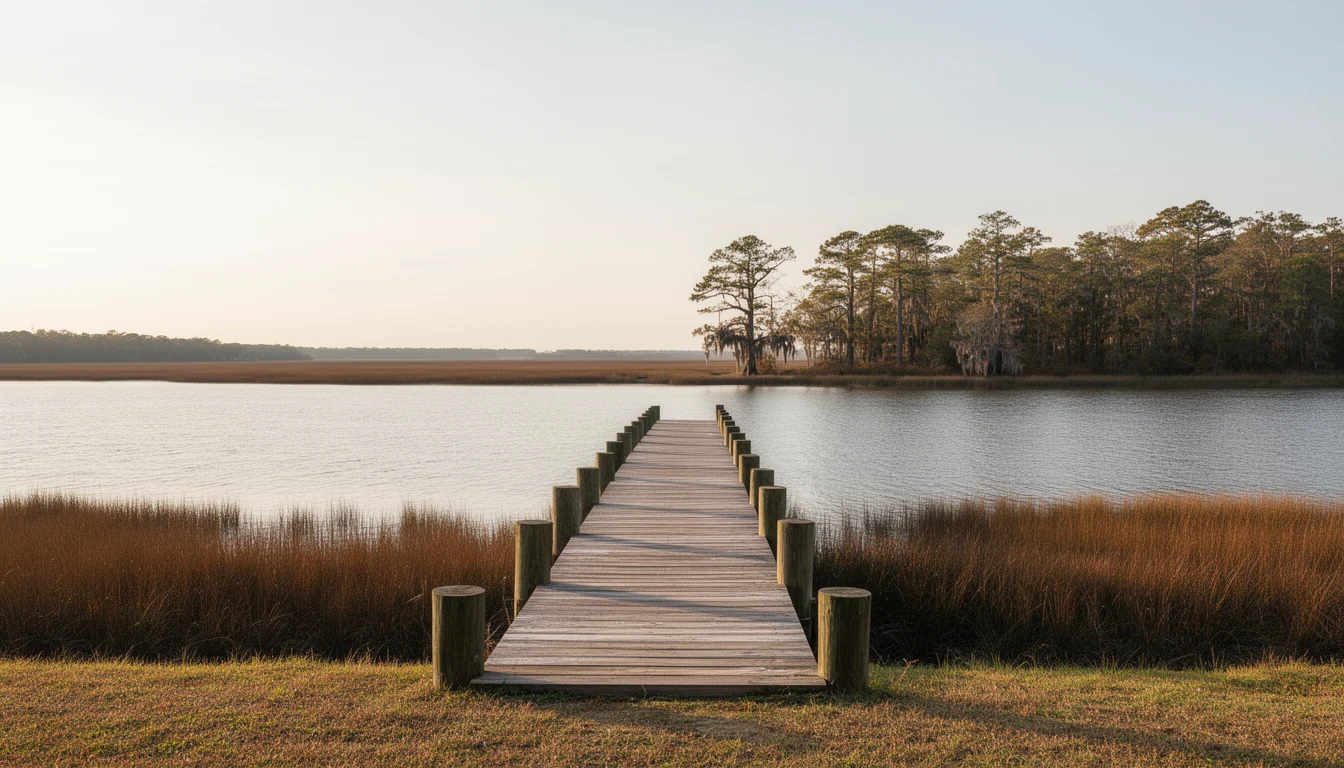
Riverside is the river district, and the price tells you which version you are looking at. A true waterfront house with a dock and open water views typically lists above $450,000 and often sells above ask. The occasional house inside the district boundary without frontage runs about $280,000 to $380,000, and it moves fast when it comes up. Turnover is low.
Flood is the number buyers skip. Much of the true waterfront sits in FEMA Zone AE, which means federally required flood insurance on any backed mortgage, or Zone X-500, which does not require it but often warrants it. Premiums on an AE-zoned house run roughly $2,000 to $8,000 a year, depending on how high the structure sits above the base flood level. On one street, the gap between a house sitting high above the water line and one sitting at grade can reach $3,000 a year. Ask for the FEMA certificate on the house before you make an offer, because that number moves the premium more than any other single fact. On this stretch of the river, no certificate means you are guessing.
5. West Colonial, block by block
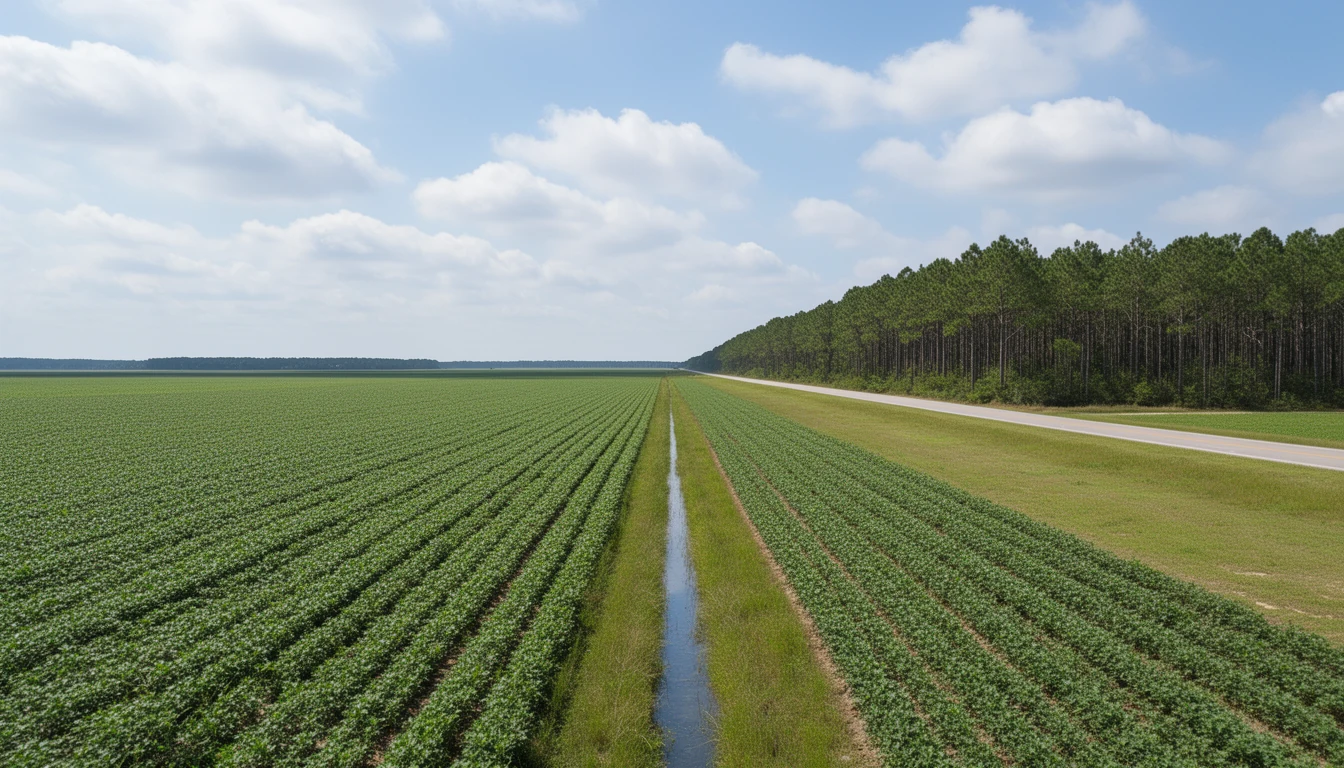
West Colonial is the most affordable district and the one that demands the most homework. Lots are larger than in the eastern districts, and condition varies more inside a single block than anywhere else in the city. Pricing runs about $145,000 to $270,000, with a real value pocket at $180,000 to $220,000.
The catch is that two houses on the same street can be two different projects. One block may be all owner-occupants with maintained roofs. The next may hold three rentals in unknown condition. Walk the specific block, not the district. If you want the lower floor and a bigger yard without that risk, the Southern District is worth a look as well: about $175,000 to $295,000. It sits fifteen to twenty minutes on foot from the waterfront and carries the same historic designation with less traffic.
6. The post-war ring around the historic core
Not every buyer wants an 1890s house and a historic commission, and the subdivisions around the historic core are the alternative. Tanglewood and Knobbs Creek, plus the blocks east and west of downtown, were built mostly from the 1960s through the 1990s. You get larger lots and a driveway. You get a floor plan that made sense to a builder in 1975 rather than 1885.
Two things follow from that. No Certificate of Appropriateness review before you change a window or paint a door, which matters if you want a workshop or a fence. More of these houses have already had the expensive work done, with a roof and HVAC already replaced by a previous owner. What you give up is location. You drive to the wharf instead of walking, and the walkable version of this city is the part you gave up.
Camden County, across the Causeway, adds a different option. More land and lower density come with a separate school system and a longer run to the air station. Internet outside the cable plant’s reach is variable, so check the specific address before you count on working from home.
What to do with the list
Pick two districts for a trip, not six. Walk each one at two different times of day, and look at the roofs and the porches on the surrounding blocks. Talk to whoever is outside. The blocks tell you more than a spreadsheet will.
Bring your questions about a specific address and I will pull the flood panel and the permit history for that address, plus the sales around it, before you decide. Call Horizon Realty Group at (252) 202-4945.