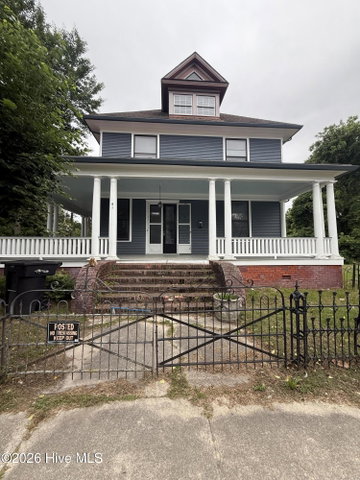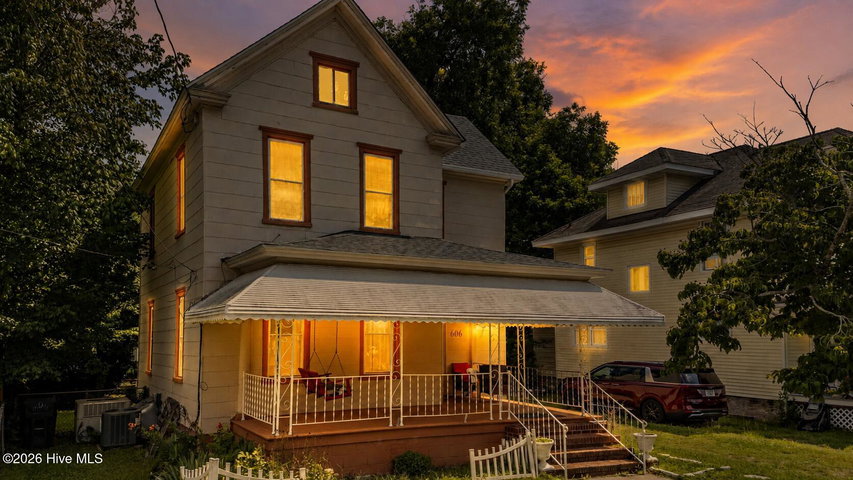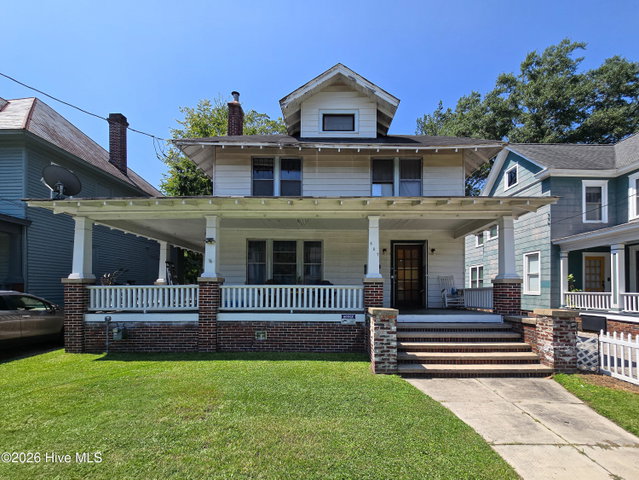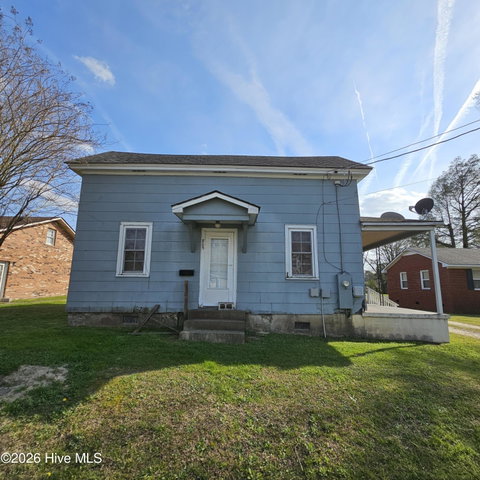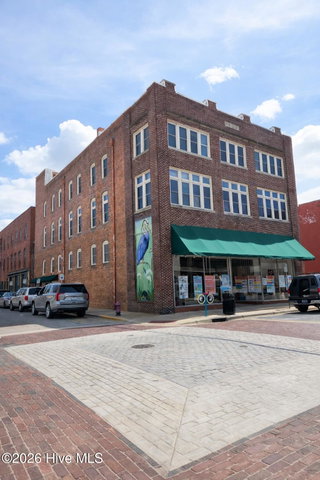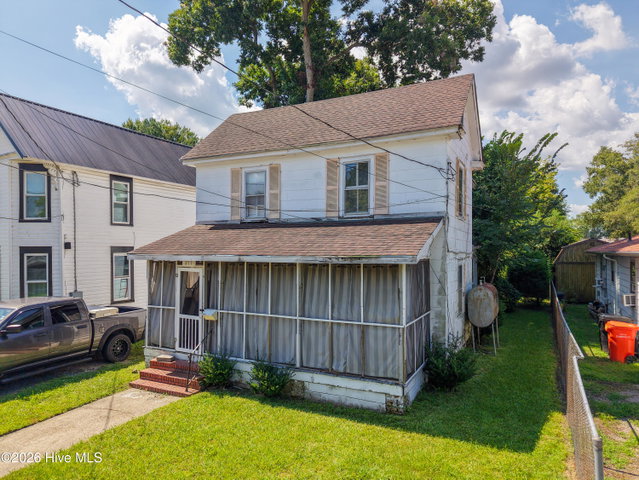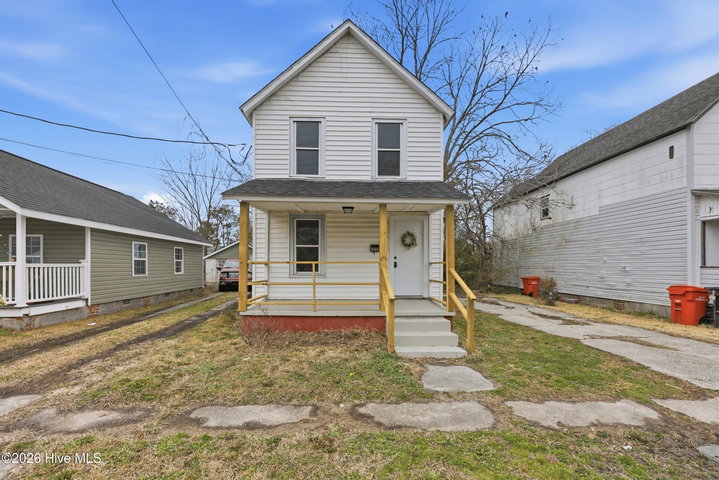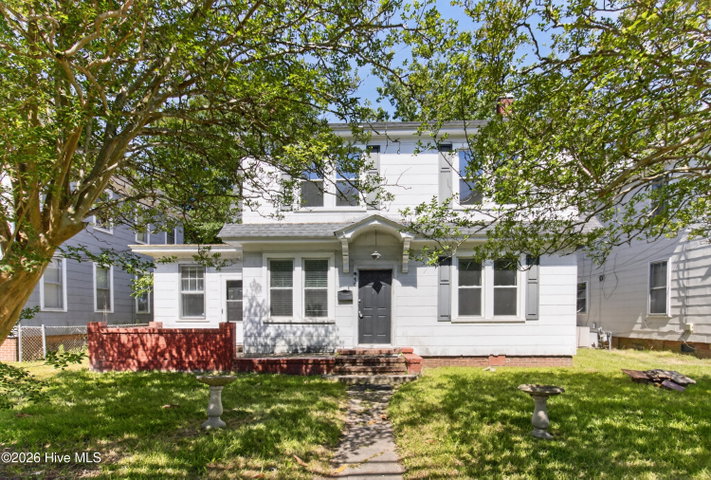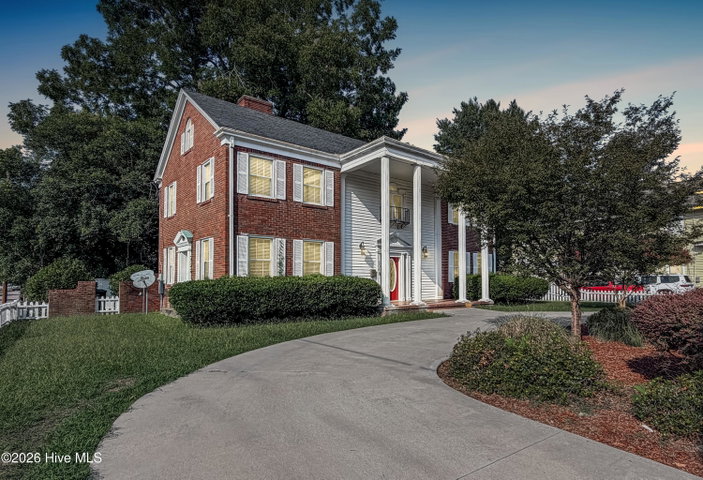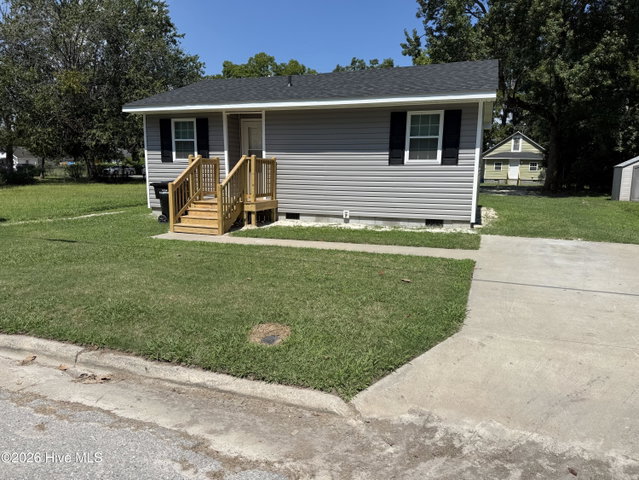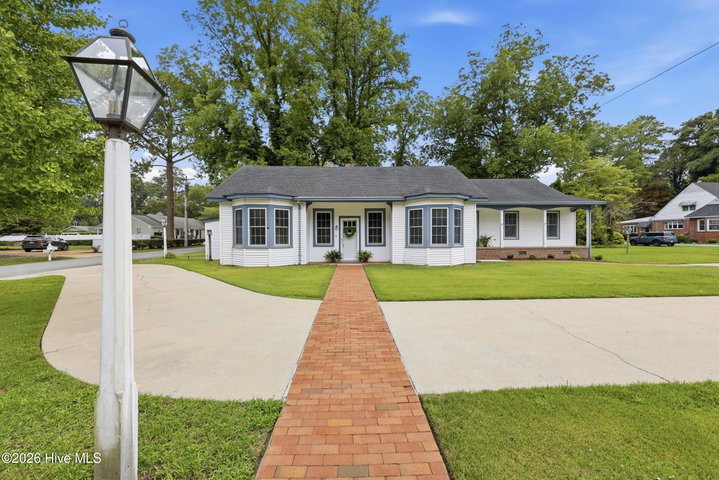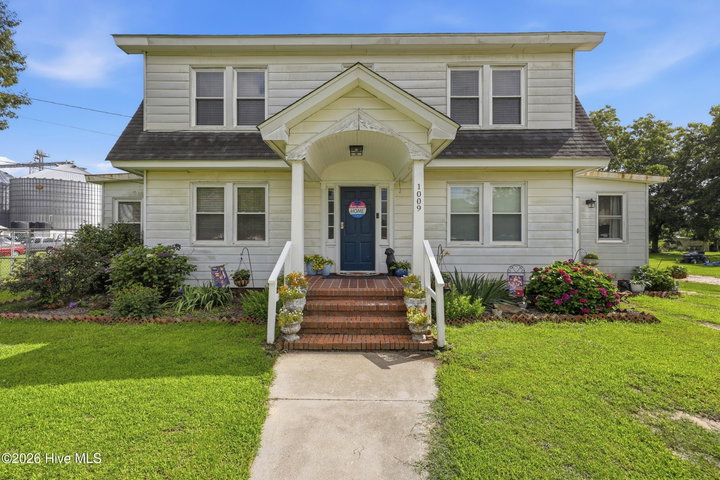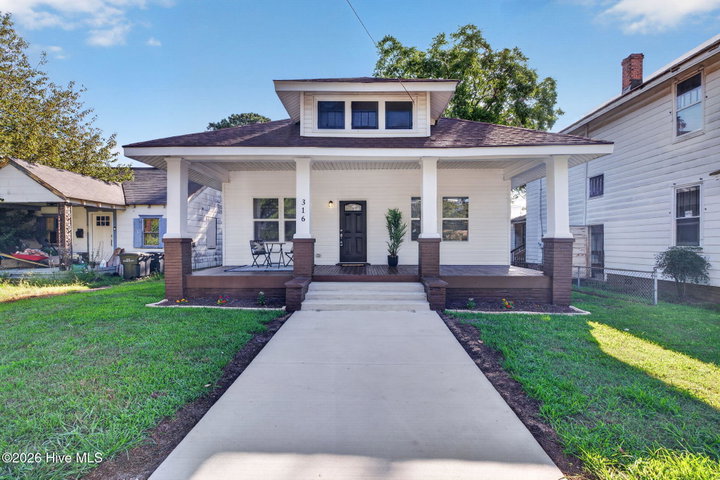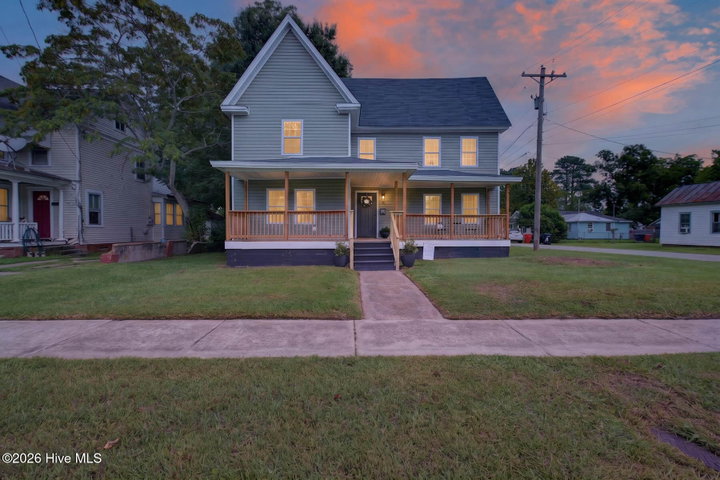
ActiveBuilt 1880
+61 photos$295,000
$138/sq ft
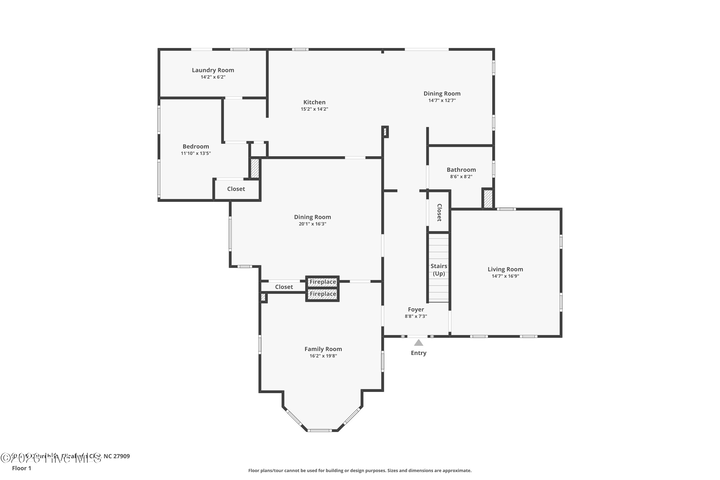
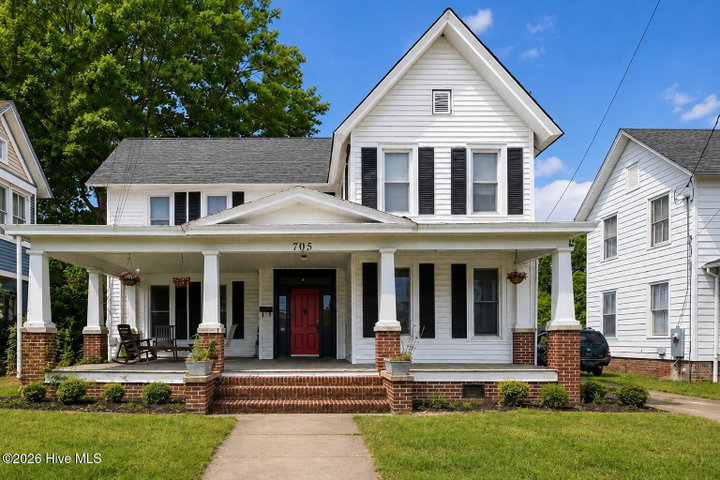
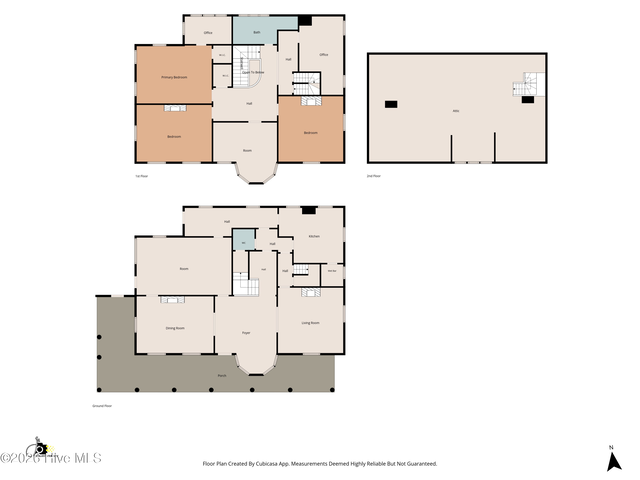
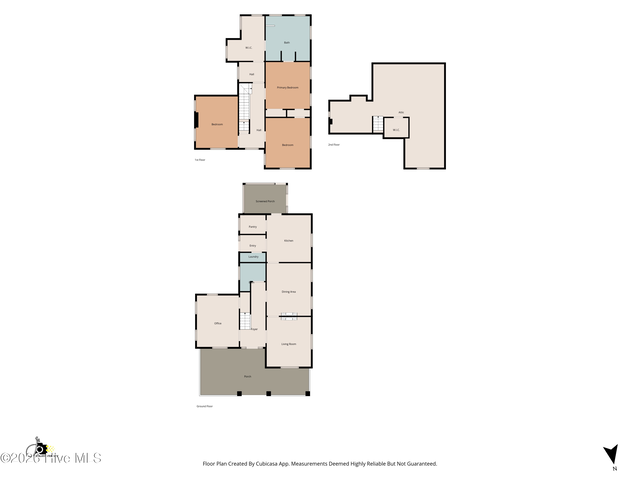
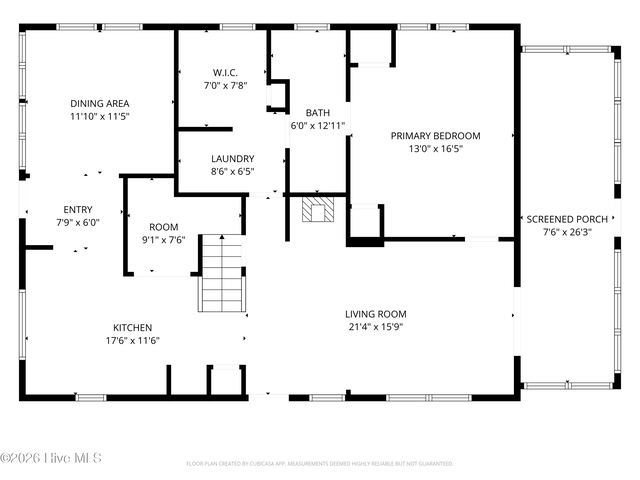
4 bd·3 ba·2,139 sq ft·0.17 ac
116 E Broad Street, Elizabeth City, NC 27909
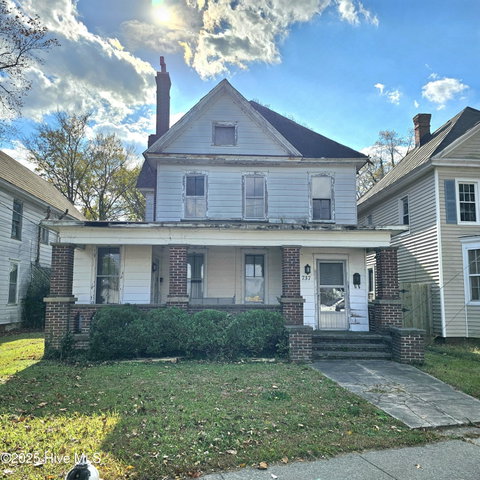
1880
Entry-Level Buyer's Brief
1. Town Life & What to ExpectWalkability, Taxes, and the Annual Calendar2. The Historic DistrictsSix Reads in One Afternoon3. The Buying ProcessHow NC Real Estate Actually WorksAll 10 chapters →Browse
All Active ListingsEvery active Pasquotank County listing, mappedSearch ListingsFilter by price, beds, and featuresMy Saved ListEverything you have heartedBy Category
WaterfrontRiver, creek, and canal frontageHistoric HomesBuilt 1940 or earlier, by eraRentals & LeasesResidential and commercial space for leaseNew ConstructionBuilt in the last few yearsUnder $375KEntry-level price bandNew Listings by Email

Travis Old
Curated List
Everything active in Pasquotank County built in 1940 or earlier. Elizabeth City was laid out in 1793 at the Narrows of the Pasquotank, and the enlarged Dismal Swamp Canal set off a building boom after 1828 — so what survives here runs from Greek Revival town houses through the shingle-mill Victorians to the Craftsman bungalows that filled in after the railroad arrived in 1881.
Certificates of Appropriateness apply inside the city, not county-wide.
Elizabeth City runs two local historic districts — Downtown and West Main Street — under a seven-member Historic Preservation Commission. Inside those boundaries, exterior alterations, additions and demolition need a Certificate of Appropriateness before work starts, reviewed against the city's 2018 design guidelines. The HIVE feed carries no district or COA flag, so nothing on this page can tell you which side of a boundary a house sits on. Confirm with the City of Elizabeth City Planning Department before you write an offer that assumes either answer.
North Carolina Historic Rehabilitation Tax Credits
Under Article 3L of the NC General Statutes, an owner-occupied historic house earns a state income-tax credit worth 15% of rehabilitation expenses, on a minimum spend of $10,000 within any 24-month period, capped at $22,500 of credit per parcel and claimable once every five years. Income-producing buildings — the upper floors on Main Street, a converted duplex — take 15% on the first $10 million of qualified expenditures, plus a further 5% each for a development tier one or two location, an eligible targeted-investment site, or continued educational use. Income-producing property also stacks the federal 20% credit, which owner-occupied houses cannot claim at all.
The eligibility test is National Register status, not the COA overlay. The house has to be individually listed on the National Register, contribute to a National Register district, or contribute to a local district that the U.S. Department of the Interior has certified — and only three local districts in North Carolina carry that certification. Elizabeth City's two are not among them. The city's four residential National Register districts are what actually qualify a house here: the Elizabeth City Historic District, Northside, Riverside, and Shepard Street–South Road Street, whose documented periods of significance run from the 1840s into the early 1940s. Contributing status is confirmed by the NC State Historic Preservation Office, not by the listing agent and not by this page.
The program sunsets for expenses incurred on or after January 1, 2030, and for property not placed in service by January 1, 2032. All work must meet the Secretary of the Interior's Standards for Rehabilitation. Nothing here is tax advice — run the numbers with your CPA and file through NC HPO before you spend.
Want to know whether a specific house on this list is likely to be a contributing structure before you spend a weekend on it?
Goes to Travis directly. NC Broker #334264, NC General Contractor #99504.
Free · No account
Pre-1940 houses in Pasquotank County do not come on the market on a schedule. I will email you when one does.
You're in. New Historic listings will land in your inbox as they hit the MLS.
No listings in that era right now.
Try another era, or see everything currently active on this page.
Want more targeted matches?
Tell me a bit about what you're looking for — 30 seconds, totally optional.
Got it — thanks.