
8 Systems to Check on a Pre-1960 Elizabeth City House

In this post
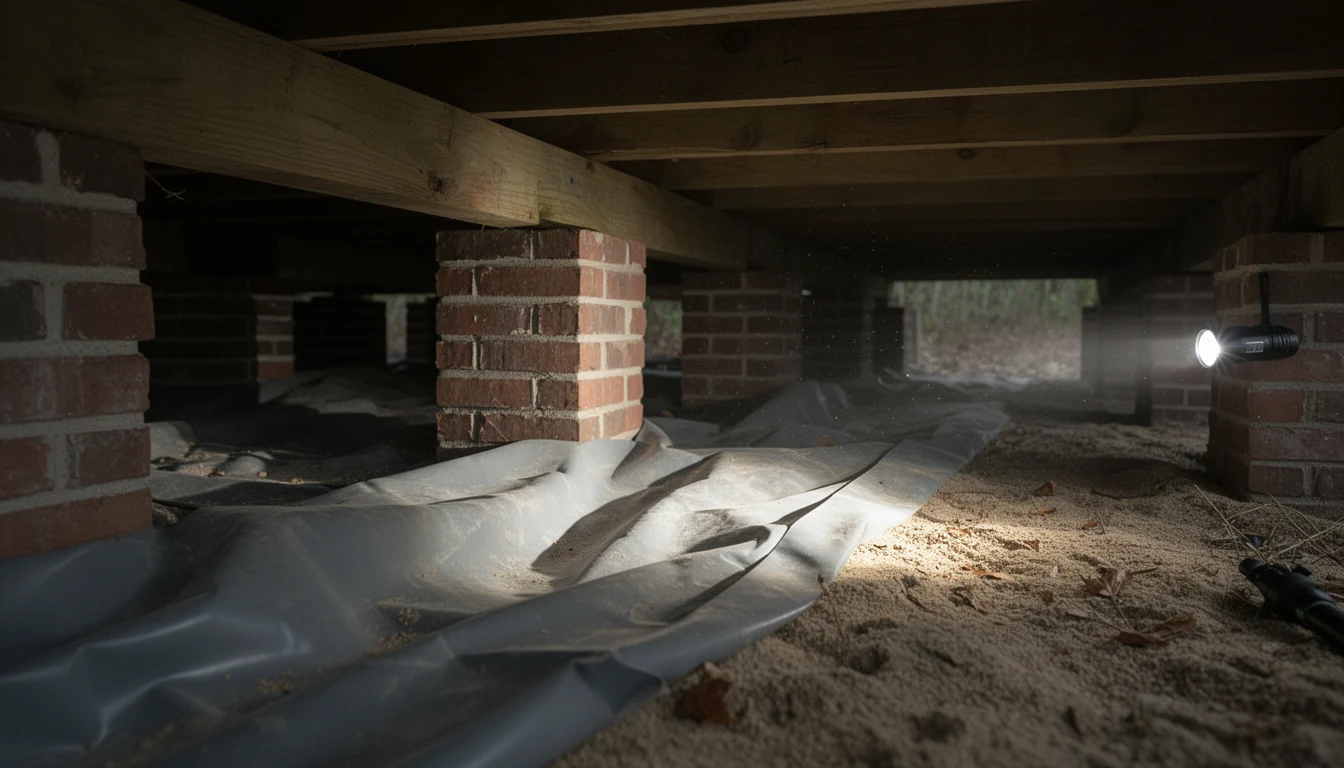
On a gray morning last November I stood in the crawl space of a 1935 bungalow in Colonial Heights, holding a flashlight for the inspector while he tapped a floor joist with the handle of a screwdriver. The brick piers were fine. The joist was not. It had stayed wet long enough to grow a white beard of mold, and the vapor barrier under it had torn loose years before either of us was born.
That house closed. Most of them do. The buyer simply knew, before the due diligence clock ran out, which repairs were already waiting.
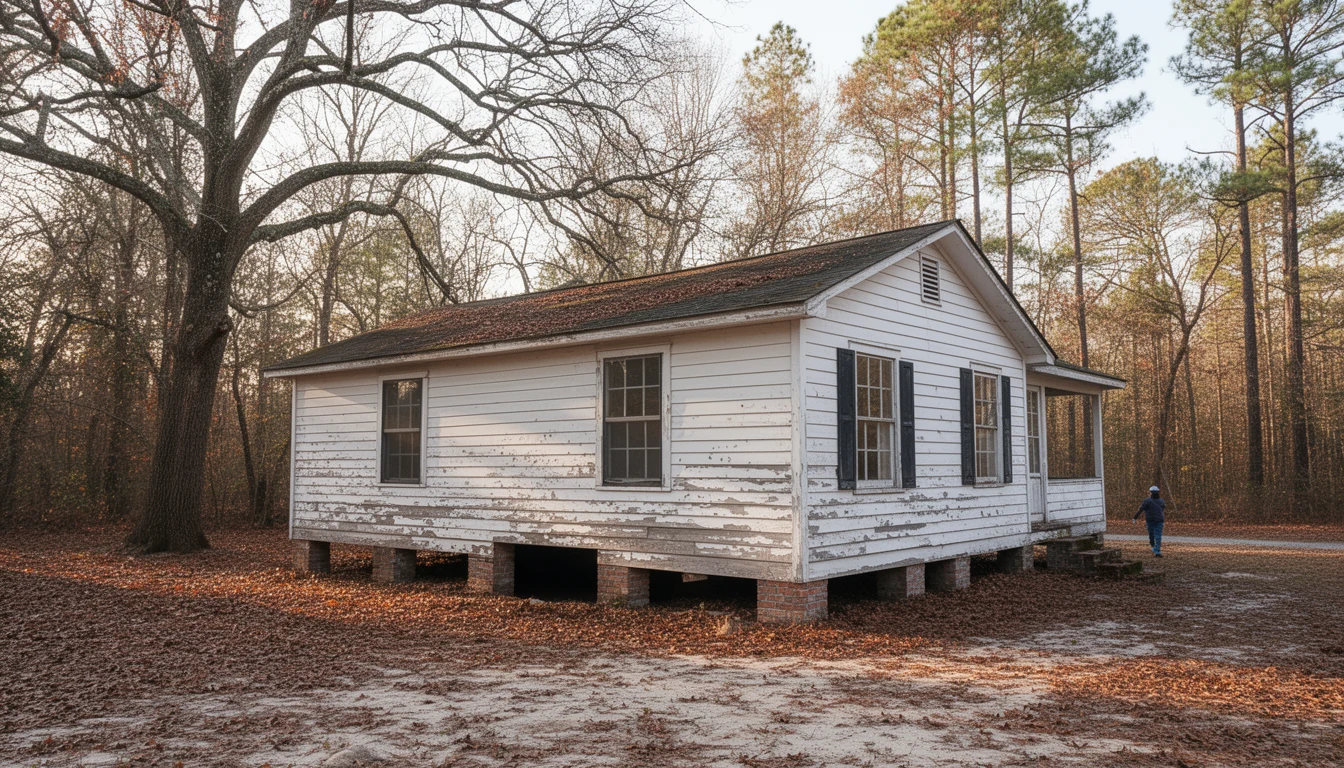
Elizabeth City’s in-town housing stock is old. A general inspection in North Carolina is a visual assessment of the accessible systems, and on a 2005 build out toward Weeksville that is usually the whole story. On pre-1960 stock in Colonial Heights, Riverside, or the Historic District, the general inspection writes the flag list and the specialists write the estimate.
Here are the eight places I tell buyers to slow down.
1. The roof over the porch
Asphalt shingles dominate the old stock here, with slate and original wood shake on a few properties. Eastern Carolina sun and humidity give asphalt about 15 to 20 years. Ask for a roofing contractor’s evaluation rather than the general inspector’s look from the ground, because the standards of practice do not require anyone to walk every pitch. That specialist visit runs $150 to $250. Look for granules collecting in the gutters and shingles curling at the ridge. Flashing at the chimney and where the porch roof ties into the main roof is where leaks actually start.
2. The HVAC unit and its refrigerant tag
A system over 12 years old deserves a technician’s service call before closing, $150 to $250 against $8,000 to $14,000 for replacement. Then read the tag on the outdoor condenser. If it says R-22, plan on a new system no matter how well it runs. R-22 left production in 2020, and recharging a leaking unit means reclaimed refrigerant that gets harder to find every season.
3. The electrical panel
Pre-1960 houses here may still carry knob-and-tube wiring, a 60-amp fuse panel, or a 100-amp panel that made sense before heat pumps and EV chargers. A licensed electrician can tell you what is actually live and what was abandoned in place. A 200-amp upgrade runs $3,500 to $6,000. If the panel reads Federal Pacific Stab-Lok or Zinsco, treat replacement as a condition of the purchase, since some insurers will not bind a policy on those brands.
4. The water supply lines
Galvanized steel was standard before 1940, and it rusts from the inside out. The symptoms are low pressure and brown water when a tap first opens. Turn a faucet wide during the showing and watch it, which takes half a minute and tells you more than the report will. A full galvanized-to-copper reroute costs $8,000 to $15,000, and plenty of these houses have had half a reroute over the decades. Ask which runs were replaced.
5. The drain line under the house
Cast iron drains from 1900 to 1970 work fine until a joint corrodes or a root finds the warm spot. Your general inspector cannot see inside the pipe, and the standards do not ask him to. A sewer camera is a separate service at $250 to $400, and on any pre-1960 house in the $175,000 to $250,000 range it belongs in the budget. Replacing the main drain out to the street runs $4,000 to $8,000. This is the system most likely to hand you an emergency bill in year three.
6. The piers and the crawl space
Brick piers are normal construction here, not a defect. Look for settled piers and standing water. Mud tubes at the sill plate are the other tell, and eastern North Carolina termite pressure is real, so confirm a current treatment contract or negotiate one into the sale. A termite inspection runs $75 to $150. If the inspector flags structure, pay for an engineer’s report at $400 to $700 and negotiate off that number instead of a vague note in the report.
7. Moisture, in the places nobody photographs
Crawl space humidity sits at the root of most expensive problems in these houses. Ask about the vapor barrier, the ventilation, and any mold on the floor joists. Inside, a round ceiling stain points to a roof leak, while a long horizontal one points to a wall or a window. A mold assessment costs $300 to $500, which is cheap next to a rotted sill plate and the carpentry that follows it.
8. Lead paint and the appraisal
Any house built before 1978 is presumed to contain lead-based paint, and the seller owes you the disclosure form. You get 10 days to test if you want it. On intact surfaces that is a disclosure, not a crisis. On peeling exterior paint it becomes the appraiser’s problem, because VA and FHA both require deteriorating paint to be remediated before closing. Full exterior abatement runs $4,000 to $10,000. Price that before you write the offer rather than after the appraisal comes back.
What to do with all of it
None of this argues for buying new construction instead. A house built last year out past Weeksville will have its own list in a decade, and it will not have heart pine floors or a porch that faces the river. What the older stock asks for is honesty about the arithmetic. An inspection report is a forecast, and a specialist turns that forecast into a number you can carry into the negotiation.
Bring a flashlight. Read the report the same week it lands, not the night before due diligence expires. Then decide what the house is worth to you with the next ten years already priced in.
Keep reading
Flood Zones on the Pasquotank: What the Map Misses
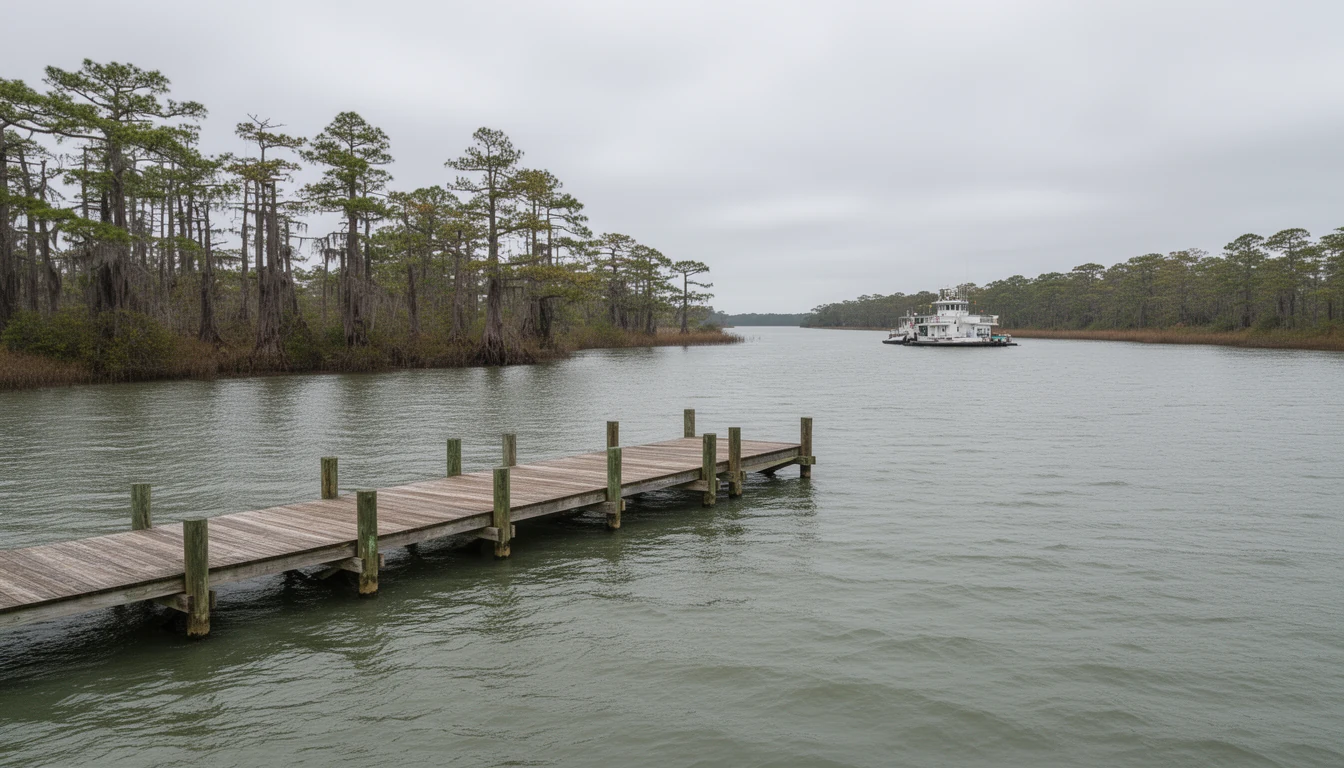
Pasquotank's flood maps changed in December 2018 and pulled a lot of Elizabeth City out of the high-risk zone. Here's where the water still goes.
Elizabeth City New Builds: Permits and What to Verify
Building in Elizabeth City or Pasquotank County? Permits come from the city or the county, depending on the lot. What to verify on a new build.

Backing Out in Elizabeth City: Contract Risks
A 2022 NC Supreme Court ruling confirmed buyers who breach a purchase contract can owe attorney's fees. What that means for Elizabeth City buyers.