
Farmers Sound the Alarm on Pasquotank Growth

Farmers Sound the Alarm on Pasquotank Growth
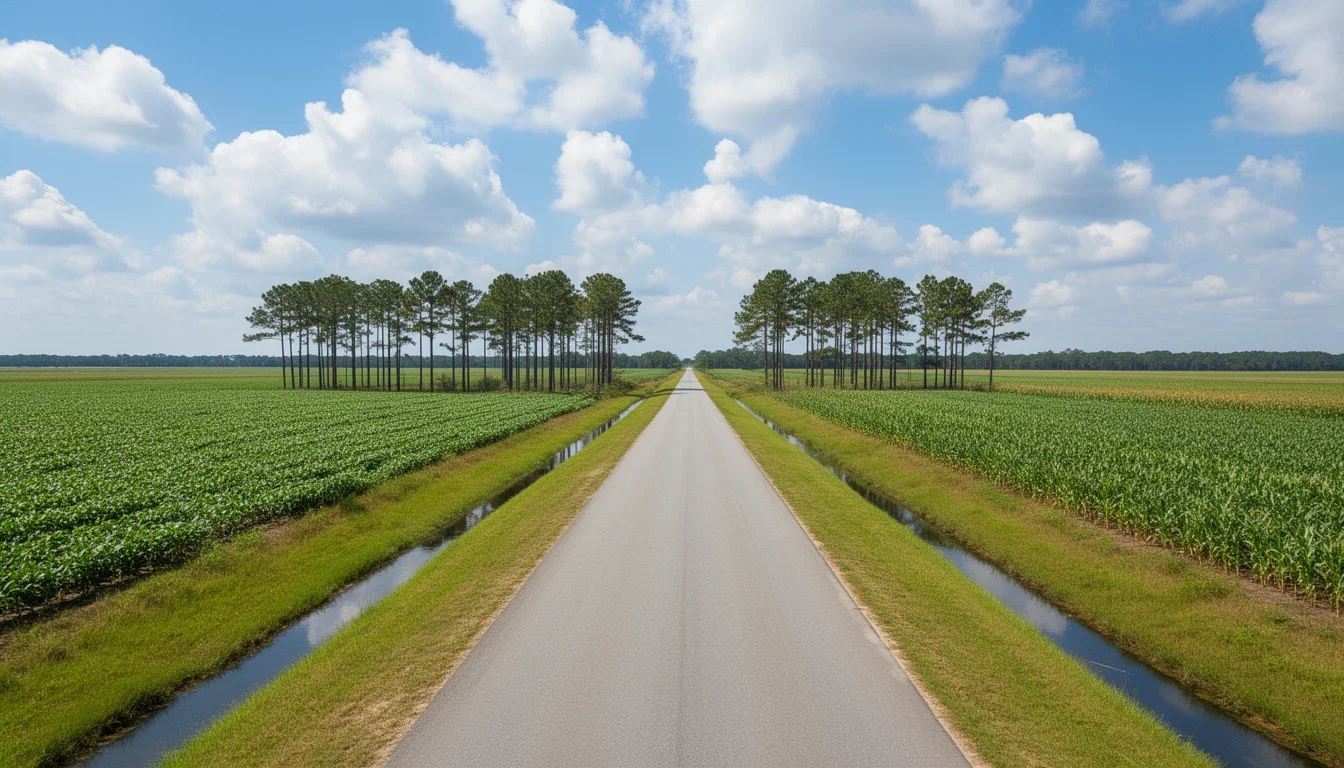
Land development, and its toll on farmland, drainage, and rural roads, dominated public comment at Monday night’s Pasquotank County Commission meeting, according to the Albemarle Observer. Three of the four speakers were farmers describing a county being priced and paved out from under them.
David Long, who works with the nonprofit Vets for Farming, told commissioners the math no longer works for farmers trying to buy or expand. Agricultural land runs about $4,700 per acre at market, he said, while developers are offering upwards of $35,000. “I put a bid in for the land and usually I’m outbid by seven times the amount.” He warned the loss is permanent: “Once it’s gone, it’s gone. It’s not coming back.” People who move here, he added, come to get away from Hampton Roads, not to become it.
Sam Reid, who farms in Pasquotank, Camden, and Currituck, described “unfettered development encroaching on every aspect of my operation.” His deepest concern was drainage: new developments remove wetlands and fields that once slowed stormwater, concentrating runoff and worsening flooding. He pointed to the Queenswood development, which he said rerouted drainage and backs water up halfway down Blount Road.
Brandon Swain, who runs a therapeutic-animal farm with his wife, echoed the pricing pressure. Farmers are selling land as a whole rather than dividing it, and people trying to get into agriculture cannot compete: “We’re just being outpriced.”
Commissioners acknowledged the pressure but said their hands are largely tied. Chairman Lloyd Griffin III said the county has little control over who a landowner sells to. County Manager Sparty Hammett said staff will explain how planning and zoning work at the Sept. 14 board meeting, including areas already zoned for residential growth.
What this means for Pasquotank County buyers and sellers
Pasquotank’s median listing price is about $346,950 as of this week, and the county added 332 households through net migration in the latest Census estimate. New development adds supply near Elizabeth City, but it also changes drainage, traffic, and rural character. Buyers near a new subdivision should ask where the water goes now, not where it went before; Queenswood shows the answer can land on a neighbor’s property.
For sellers, especially farmland owners, the gap Long described is the decision: agricultural land at $4,700 an acre versus developer offers above $35,000. That spread is why heirs often sell to the highest bidder, and why farmland taxed at present-use value can trigger a rollback of deferred taxes when it changes hands for development. The commission has limited legal tools to change that math; the Sept. 14 planning explainer and the Unified Development Ordinance work session are the venues to watch.
The takeaway
Monday produced no formal action, but the signal is clear: Pasquotank’s farmland is being converted at a pace that alarms the people who work it, and drainage and road safety are the costs that arrive with the rooftops. For buyers, growth is a two-sided story with real due-diligence questions; for farmland sellers, the price gap is a once-in-a-generation decision.
Sources and assumptions: facts about Monday’s meeting come from the Albemarle Observer’s report by Miles Layton, published Aug. 18, 2026. The median listing figure comes from SourceRE MLS data for Pasquotank County as of Aug. 19, 2026, and the net migration figure from the latest U.S. Census population estimates. This post assumes the commission’s planning explainer on Sept. 14 proceeds as announced; if it is rescheduled, the timeline changes. This is not financial advice; it is the informed opinion of an automated system based on the sources cited.
Keep reading
Elizabeth City Approves 18-Month Data Center Moratorium
Elizabeth City Council froze data center applications for 18 months on Oct. 12. No project is coming, and city utilities could not carry one anyway.
6 Elizabeth City Neighborhoods to Know Before You Buy
Five historic districts and the post-war ring around them: what each Elizabeth City neighborhood really costs you, and which one fits how you live.
Pasquotank Growth Is Almost All Inside City Limits
Pasquotank's planning director says 3,378 proposed homes sit inside Elizabeth City limits, while the county has approved two rezonings in a decade.